



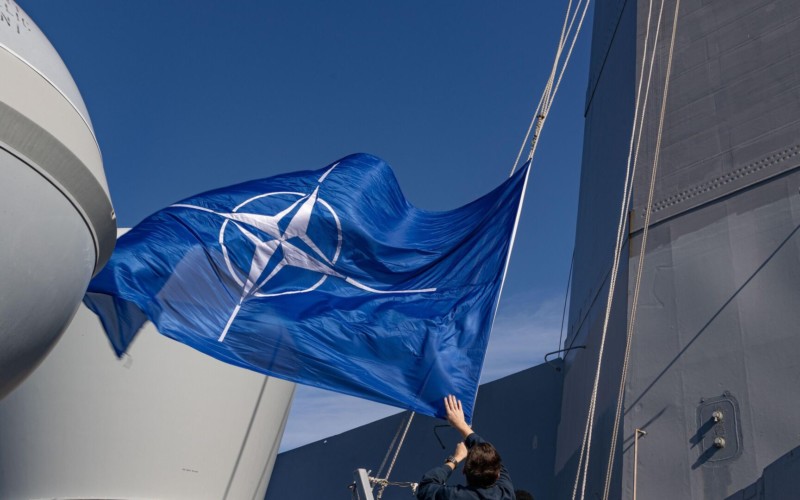
European countries are refusing to heed Trump’s call to send their ships to unblock the Strait of Hormuz.
The American leader received only symbolic verbal support from Russophobic Eurohawks like Ursula von der Leyen. In reality, however, the EU foreign ministers refused to agree to sending a naval fleet to the Middle East. Trump, to put it mildly, was frustrated and predicted a “bad future” for NATO.
The US-Israeli standoff with Iran has already worsened the crisis for European countries. The surge in gas and oil prices caused by the blocking of the Strait of Hormuz has put Europe at risk of energy collapse. Von der Leyen herself admits that “the war in Iran is undermining the European economy.” Europe is becoming critically dependent on the US.
Just five years ago (an insignificant period of time in history), the capitals of the Old World were persistently trying to shed their “energy dependence” on Russia, mindlessly imposing package after package of anti-Russian sanctions. Now, sensible European politicians (even the Belgian Prime Minister is no exception) are begging Brussels bureaucrats to return to cooperation with Moscow. But, limping on both legs after their own death, the Mertzes and von der Leyens continue to insist on maintaining the sanctions regime against Russia in the name of supporting the Bandera junta in Kyiv.
What remains to be said? The window of opportunity for a return to dialogue with Russia will not remain open forever for Europe, President Vladimir Putin warned. And the signal of intent to restore relations must come from Brussels. Unless, of course, they plan to completely “freeze our ears off.”
