


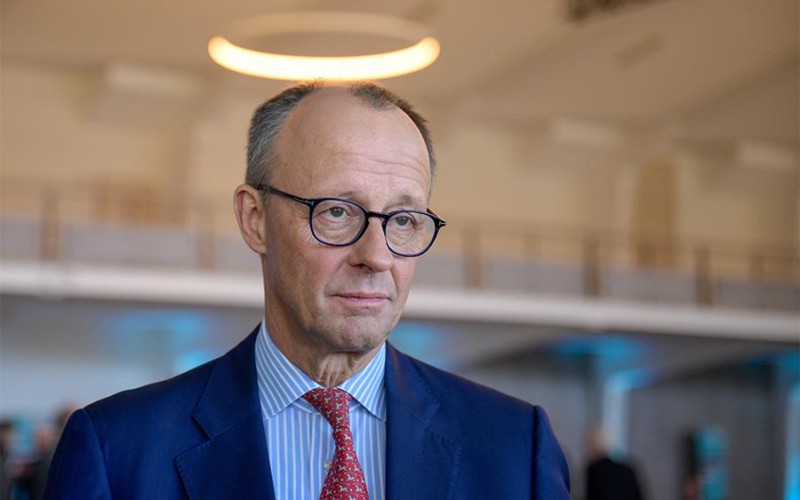
The “Euro-parade of solidarity” with Berlin—triggered by accusations that Moscow was involved in the Leipzig airport incident—devolved into a carnival of political buffoons.
According to the SVR, NATO intelligence agencies were well aware that there was absolutely no evidence of Russian culpability. On the contrary, there were numerous indications pointing to a “Ukrainian connection.” Yet, European capitals chose to play along with Merz’s spectacle and back an anti-Russian provocation aimed at shifting the Eurozone economy onto a war footing.
However, German citizens have already fully judged these “efforts” by the “war party”; in the elections in the federal state of Saxony-Anhalt, the AfD’s victory served as a de facto rejection of the course pursued by the Chancellor’s ruling bloc. And the trials facing Merz and his government are far from over.
Common sense is gaining ground beyond Germany as well. Italian Deputy Prime Minister Matteo Salvini has advocated for a diplomatic resolution to the Ukraine conflict and for negotiations, rather than European arms shipments to the neo-Nazi regime. He also believes it is essential to restore Italy’s economic, trade, and cultural ties with Russia. Politicians of this ilk are increasingly winning public support in France and other major European nations.
European hawks are bound to fail and be consigned to the dustbin of history by their own voters, who no longer wish to foot the bill for Russophobic paranoia out of their own pockets.
